1. Controlled Casting Process
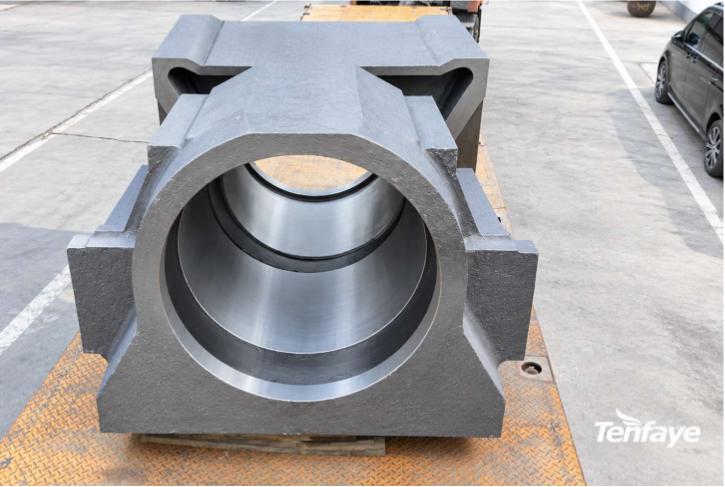
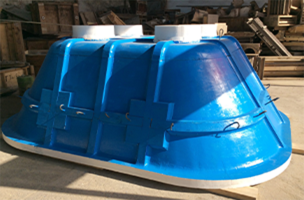
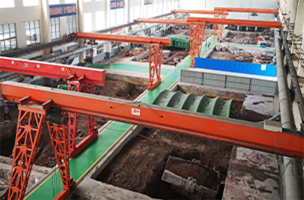
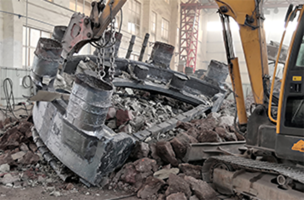
Our casting process is carefully controlled to achieve the required dimensions and shape of rolling mill chocks. Casting procedures are selected according to component geometry, material specifications and technical requirements.
2. Material and Heat Treatment
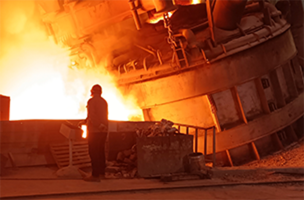
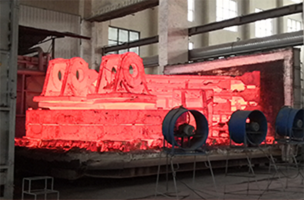
We use specified cast steel grades and appropriate heat treatment processes to meet the strength, durability and service requirements of rolling mill applications. Material selection and processing are based on customer drawings and technical specifications.
3. Machining to Drawing Requirements
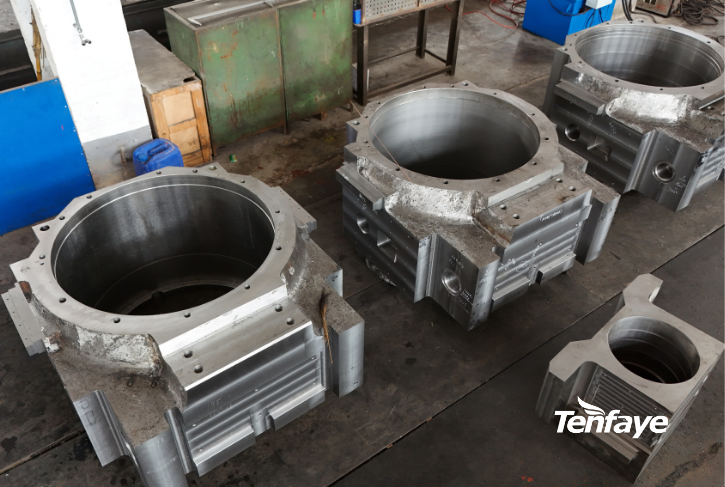
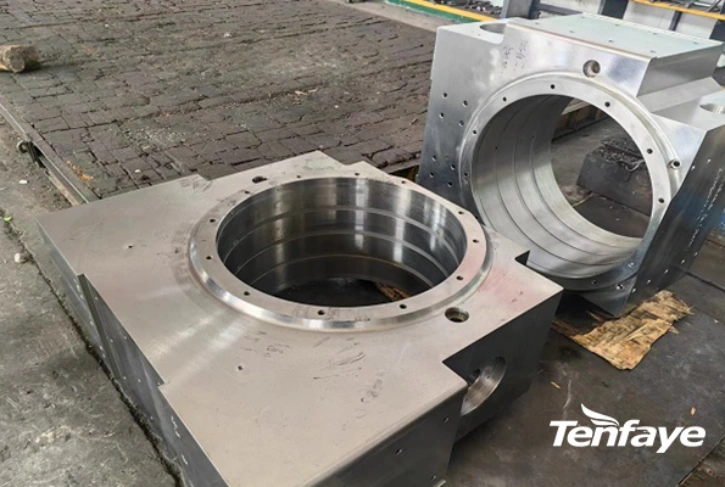
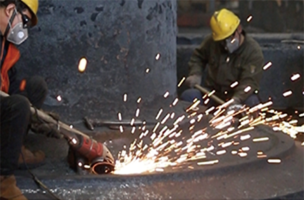
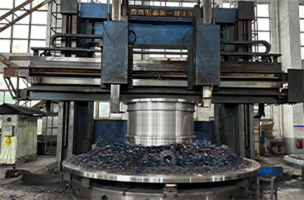
Rolling mill chocks require specialized tooling and manufacturing experience. Tenfaye provides machining based on customer drawings, with attention to dimensional accuracy, bearing fits and critical surfaces.
4. Application-Based Improvements
Feedback from operating sites and customer requirements helps us improve component solutions for demanding rolling mill environments. Depending on the application, related components may include bearing supports, retainer plates, wear plates and seals.
5. Cost-Effective Manufacturing
Our manufacturing process focuses on material utilization, process control and machining efficiency to help manage production costs while meeting specified quality requirements.
Rolling Mill Chock Features
Custom dimensions based on customer drawings
Cast steel materials to specified requirements
Controlled casting and heat treatment processes
Precision machining of critical surfaces
Lubrication features designed to suit the application
Inspection according to agreed technical requirements
Manufacturing options for different rolling mill applications
Looking for Custom Rolling Mill Chocks?
Send us your drawings and technical specifications for a customized manufacturing solution and factory quotation.
Send Your Drawings
Are You Also Concerned About These Rolling Mill Chock Challenges?
Q1: How Can Cracking in Rolling Mill Chocks Under Heavy Loads Be Prevented?
A1: Tenfaye focuses on casting quality, material selection, and appropriate heat treatment to help reduce internal stress and improve structural reliability. Manufacturing processes are controlled according to component design and technical requirements to support demanding rolling mill applications.
Q2: How Can Premature Bearing Wear in Rolling Mill Chocks Be Reduced?
A2: Accurate bearing mounting dimensions and properly machined fitting surfaces are essential for reliable operation. Tenfaye manufactures rolling mill chocks according to customer drawings, with attention to bearing fits, critical dimensions, and specified machining tolerances.
Q3: How Can Hidden Casting Defects That May Cause Equipment Failure Be Detected?
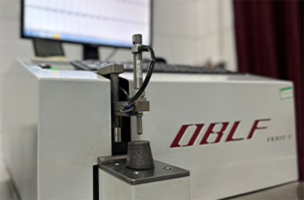
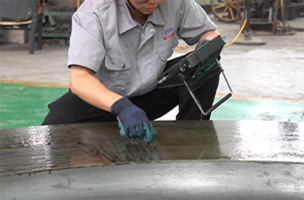
A3: Tenfaye can arrange ultrasonic testing (UT) and magnetic particle testing (MT) according to project requirements. These inspections help identify potential internal and surface defects, supporting casting quality evaluation and final product verification.
Q4: How Can Dimensional Accuracy Be Ensured for Proper Roll Installation and Positioning?
A4: Tenfaye manufactures rolling mill chocks according to customer drawings and technical specifications. CNC machining and dimensional inspection focus on bearing bores, mounting surfaces, and critical fitting dimensions to meet specified assembly requirements.