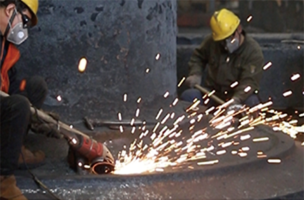
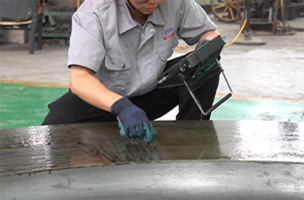
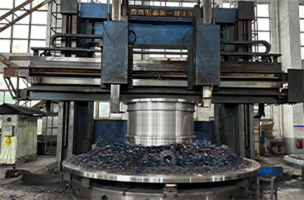
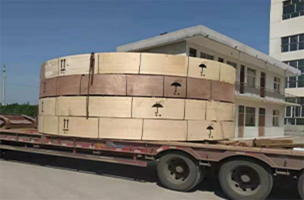
Large girth gear processing capability
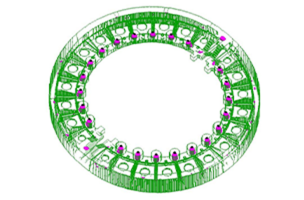
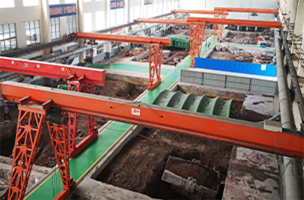
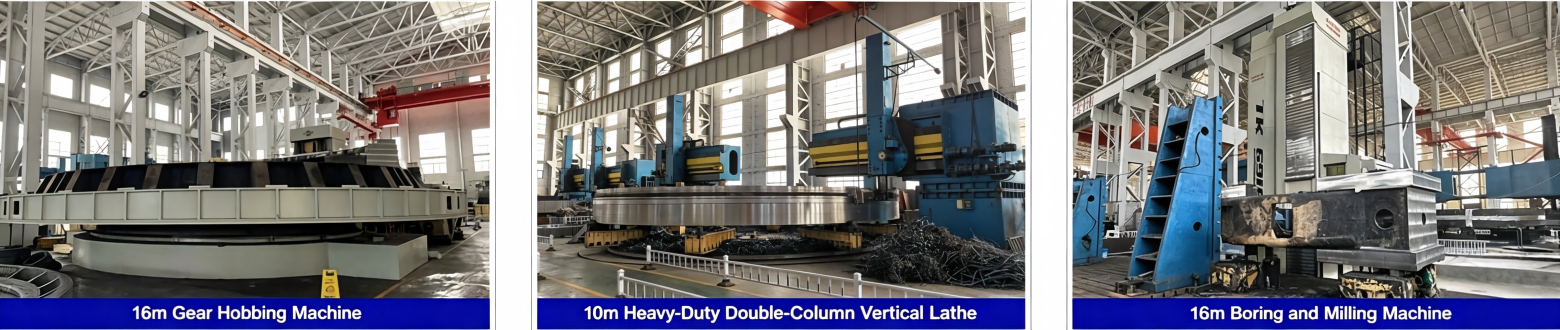
1. Diameter can be up to 15m, which processing capability could cover 90% demand for ball mill and rotary kiln girth gears in global.
2. Width can up to 2m that could meet the heavy duty load conditions, no matter in cement or mining industry.
3. Strictly implement DIN 3962, Class 6 is better than the industry’s conventional Class 10.
4. Spur girth gear/helical girth gear and double helical processes.
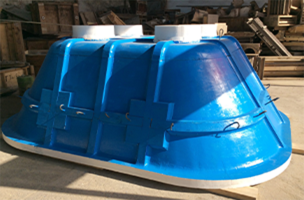
5. Segmented and integral girth gear help customer to solve transportation/installation problems.
6. Girth gears hardness can be up to 320-360BHN.
7. Pinions hardness can be up to 57-62HRC.
Teeth Grinding
1. Achieve DIN 3962, Class 4.
2. With the diameter from 1000mm to 8000mm.
The girth gears accuracy inspection report serves as the core document for both final quality assurance and in-process online monitoring. Utilizing an in-board testing head, the system automatically acquires measurement data and generates standardized inspection graphs to comprehensively evaluate the following key precision parameters and their deviations:
1. Tooth Profile — Conformance of the actual tooth flank to the theoretical involute
2. Lead — Helix deviation along the face width direction
3. Pitch — Individual pitch error and cumulative pitch deviation
4. Run Out — Radial eccentricity deviation of the gear ring relative to its rotational axis
5. Span — Deviation of the measured base tangent length from its theoretical value
Looking for a Custom Girth Gear?
Send us your drawings and specifications for a customized manufacturing solution and factory quotation.
Send Your Drawings
Girth Gears for Ball Mills
Ball mill girth gears transfer driving torque through the pinion to rotate the mill shell during grinding. Tenfaye manufactures custom cast steel ball mill girth gears according to customer drawings and technical requirements.
Girth Gears for Rotary Kilns
Rotary kiln girth gears drive kiln rotation under heavy loads and continuous operating conditions. Tenfaye supplies custom cast steel girth gears for rotary kilns, including large-diameter and segmented designs.
Are You Also Concerned About These Girth Gear Challenges?
Q1: How Can Premature Tooth Wear and Gear Transmission Failure Be Prevented?
A1: Tenfaye optimizes casting and machining processes to improve tooth surface quality and wear resistance. Proper gear profile machining helps reduce stress concentration and maintain reliable power transmission under heavy-duty operating conditions.
Q2: How Do You Prevent Girth Gear Deformation Under Long-Term Heavy Loads?
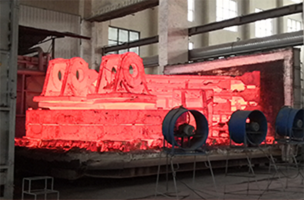
A2: Tenfaye applies controlled heat treatment to relieve residual stress, followed by precision machining. These processes help maintain gear geometry and control radial runout for stable operation.
Q3: How Do You Detect Internal Casting Defects That Could Cause Gear Failure?
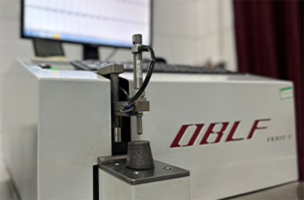
A3: Tenfaye implements a multi-stage quality inspection process, including chemical composition analysis, ultrasonic testing (UT), magnetic particle testing (MT) and dimensional inspection to identify potential casting defects and verify product quality.
Q4: What Inspection Reports Can Be Provided for Cast Steel Girth Gears?
A4: Tenfaye can provide inspection reports according to customer requirements, including material test certificates (EN 10204 3.1), ultrasonic testing reports, magnetic particle testing reports, dimensional inspection reports, hardness test reports and gear accuracy reports.