
Published:18:05 02 Apr, 2026
Among all the inquiries we receive about girth gear failure, abnormal wear is the most common — and the most preventable. Customers frequently report that their ball mill girth gear or rotary kiln girth gear wore out years ahead of schedule. This guide explains exactly why it happens and what you can do to extend girth gear service life significantly.
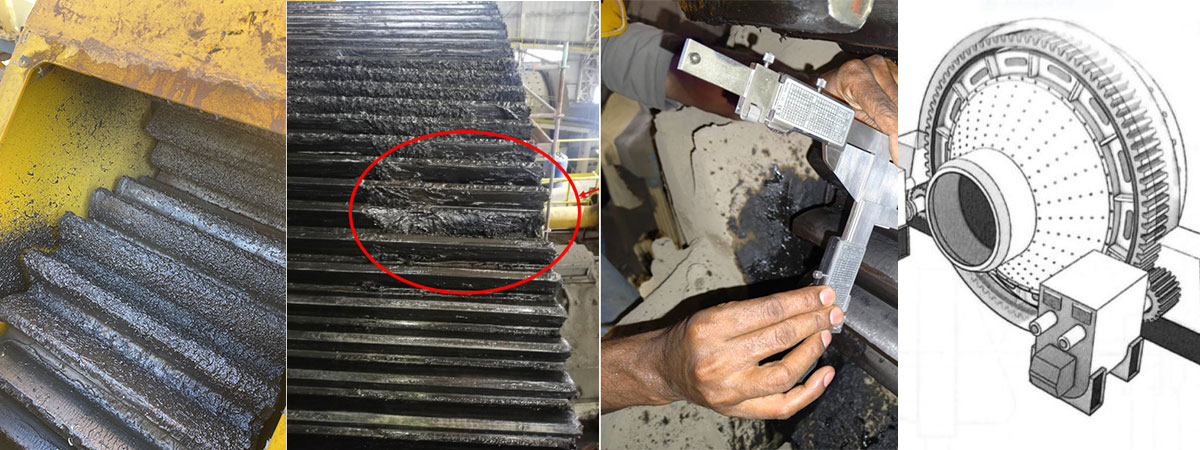
1. What Is Abnormal Wear in a Girth Gear?
Normal wear is an expected, gradual loss of material from the tooth surface over many years of operation. Abnormal wear, by contrast, occurs when the wear rate far exceeds design expectations — leading to reduced efficiency, increased vibration, and ultimately unplanned downtime.
2. What Causes Girth Gear Wear
Girth gear guards should be sealed to prevent process dust ingestion. In mining applications with slurry risk, consider upgrading to a double-seal guard design with a purge air system.
4.1 Order girth gear and pinion as a matched pair from the same manufacturer — this ensures identical tooth profile geometry and predictable contact behavior throughout service life.
4.2 Implement monthly backlash and contact pattern checks using engineering blue (Prussian blue) testing — early detection of wear progression prevents catastrophic failure.
4.3 When replacing a worn gear, always reverse-engineer or re-verify the current kiln/mill shell geometry — shells distort over years of thermal cycling, and a gear manufactured to original drawings may not fit correctly.
5. Repair vs. Replace: Decision Criteria
Not every case of girth gear wear requires full replacement. The decision depends on remaining tooth thickness, the distribution of wear, and whether the worn profile can be re-cut.
General rule: If remaining tooth thickness is below 60% of original, or if the wear is localized to fewer than 20% of teeth (indicating alignment damage rather than even wear), replacement is typically more cost-effective than attempting restoration.
For gears with even wear patterns where tooth thickness remains above 65%, flipping the gear (180° reversal) can expose the unworn flank and effectively double the remaining service life — a technique widely used in rotary kiln applications.
6. FAQ:
01. Why does my girth gear wear out faster than expected?
In most cases, the root cause is one or a combination of: inadequate lubrication, pinion misalignment, or a material/heat treatment specification that was not suited to the actual operating conditions. A wear pattern analysis at removal can usually identify the primary cause.
02. How long should a girth gear last?
A properly specified, installed, and maintained girth gear typically lasts 12 years or more in cement or mining applications. Service lives of under 5-8 years almost always indicate a preventable issue.
03. What is the best material for a girth gear to minimize wear?
For most heavy-duty applications, cast steel in ZG42CrMo or equivalent with normalizing and tempering heat treatment and quenching achieves 260–300 HB surface hardness — providing an optimal balance of wear resistance and impact toughness to prevent cracking.
04. Can a worn girth gear be repaired instead of replaced?
Yes, in some cases. If wear is even and tooth thickness remains above 60–65% of original, gear flipping or profile re-cutting may be viable. Severe or localized wear typically warrants replacement.
05. How to choose a reliable girth gear manufacturer in China?
We seek manufacturers that offer integrated casting and machining capabilities, provide material certificates, heat treatment records, hobbing or grinding process reports, mechanical and chemical performance reports, and support professional third-party quality inspections such as ABS, BV, CCS, DNV GL, KRS, LRS, NK, RINA, RS, etc. On-site technical support is also a key differentiator for large, critical components.
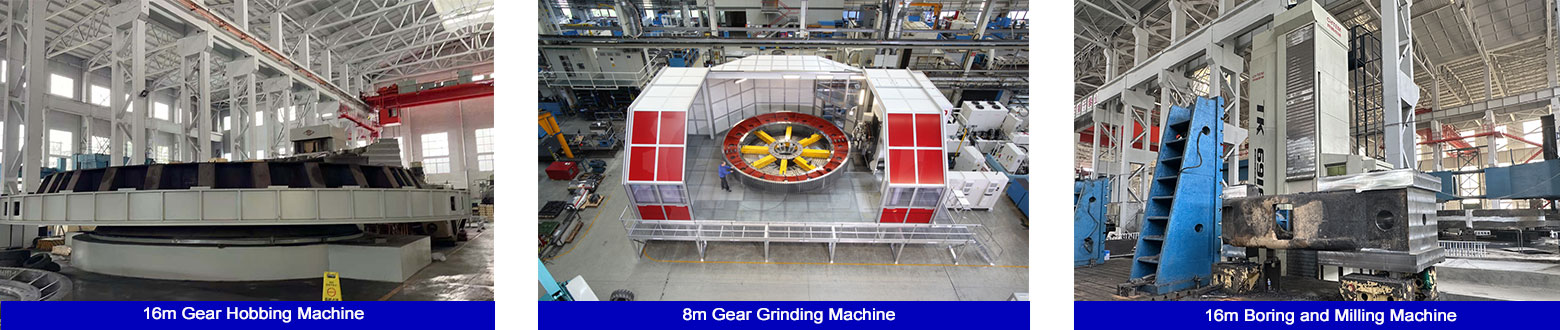
As one of the few manufacturers in China with grinding technology for large gear rings, choosing Tenfaye Girth Gear means choosing a long-term partnership.
If you have any other questions, please feel free to contact whatsapp: +8618037881433 ,
you can also leave us message, we will warmly serve for you!