
Published:15:18 25 Aug, 2026
Slag pots are exposed to high-temperature slag, thermal shock, and heavy impact loads during steelmaking. Their material, structural design, and manufacturing quality directly affect service life. When selecting a slag pot, key factors include capacity, operating temperature, material, wall thickness, structural strength, and actual operating conditions.
A slag pot typically goes through repeated cycles of:
Hot Slag Loading → Handling → Dumping → Cooling → Reheating
Repeated thermal cycling can cause thermal stress, cracking, and deformation. At the same time, hot slag entering the pot can generate significant impact loads. Therefore, a slag pot must withstand not only static loads but also repeated impact and fatigue.
Capacity and Dimensions
The slag pot capacity should be determined based on slag volume, slag density, ladle capacity, and the lifting and transportation equipment available at the plant. An undersized pot may require more frequent handling, while an oversized pot increases its own weight and equipment load.
Material
Slag pot materials need to provide good strength, toughness, and thermal shock resistance. For large heavy-duty slag pots, cast steel construction can provide the strength and structural integrity required for demanding operating conditions.
However, material grade is not the only consideration. Melting, casting, heat treatment, and quality inspection are equally important.
Structure and Wall Thickness
Increasing wall thickness alone does not necessarily extend service life. Proper wall thickness, fillets, and structural transitions can reduce stress concentration while maintaining a balance between strength, weight, and cost.
Common causes include:
Repeated thermal shock and temperature changes
Internal casting defects
Improper heat treatment
Localized stress concentration
Long-term overloading
Excessive impact during slag loading and dumping
Therefore, a high-quality slag pot should be designed and manufactured to minimize potential failure risks from the beginning.
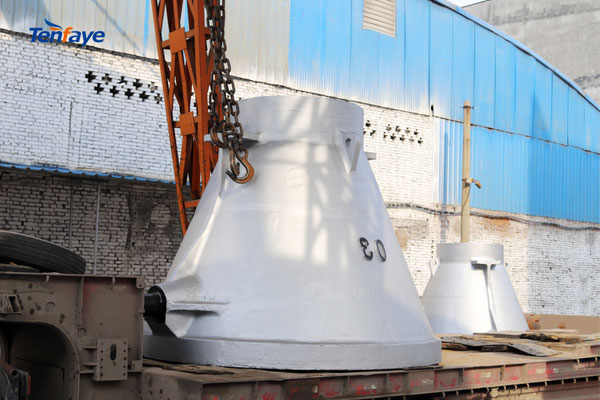
A reliable slag pot typically requires:
Optimized Design → Controlled Melting & Casting → Heat Treatment → UT/MT Non-Destructive Testing → Dimensional Inspection → Final Inspection
After commissioning, regular inspections should also focus on cracks, deformation, wear, lifting lugs, and other critical areas.
5. Custom Slag Pots
Operating conditions vary from one steel mill to another, including slag volume, equipment dimensions, lifting methods, and operating cycles. Therefore, slag pots often need to be customized according to actual requirements.
If you need a custom slag pot for a steel mill, provide your drawings, dimensions, capacity, or photos of the existing slag pot. These details can be used to evaluate the operating requirements and develop a suitable manufacturing solution.
A slag pot is used to collect, transport, and dump high-temperature slag generated during steelmaking.
The material should be selected based on operating temperature, impact loads, and service cycles, with good strength, toughness, and thermal shock resistance.
Yes. Slag pots can be customized according to customer drawings, dimensions, capacity, and actual operating conditions.
If you have any other questions, please feel free to contact whatsapp: +8618037881433 ,
you can also leave us message, we will warmly serve for you!